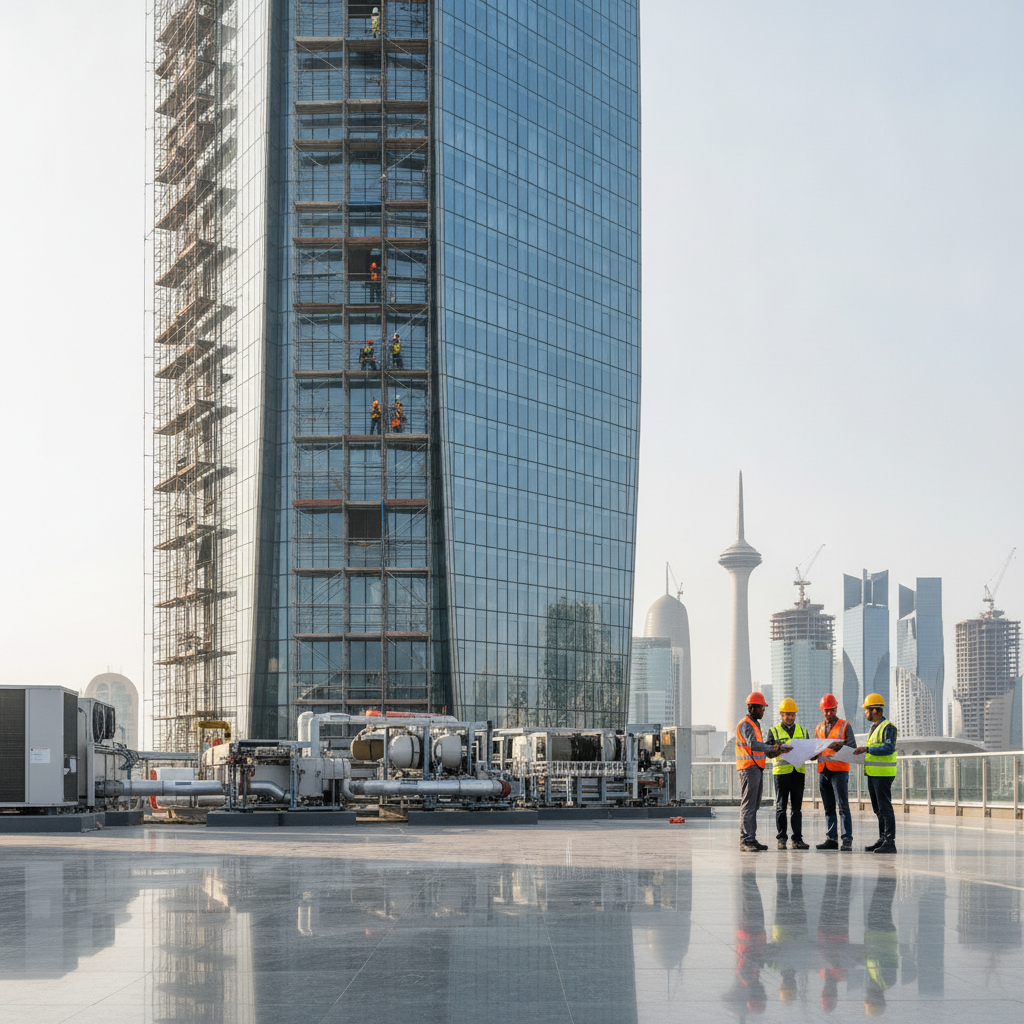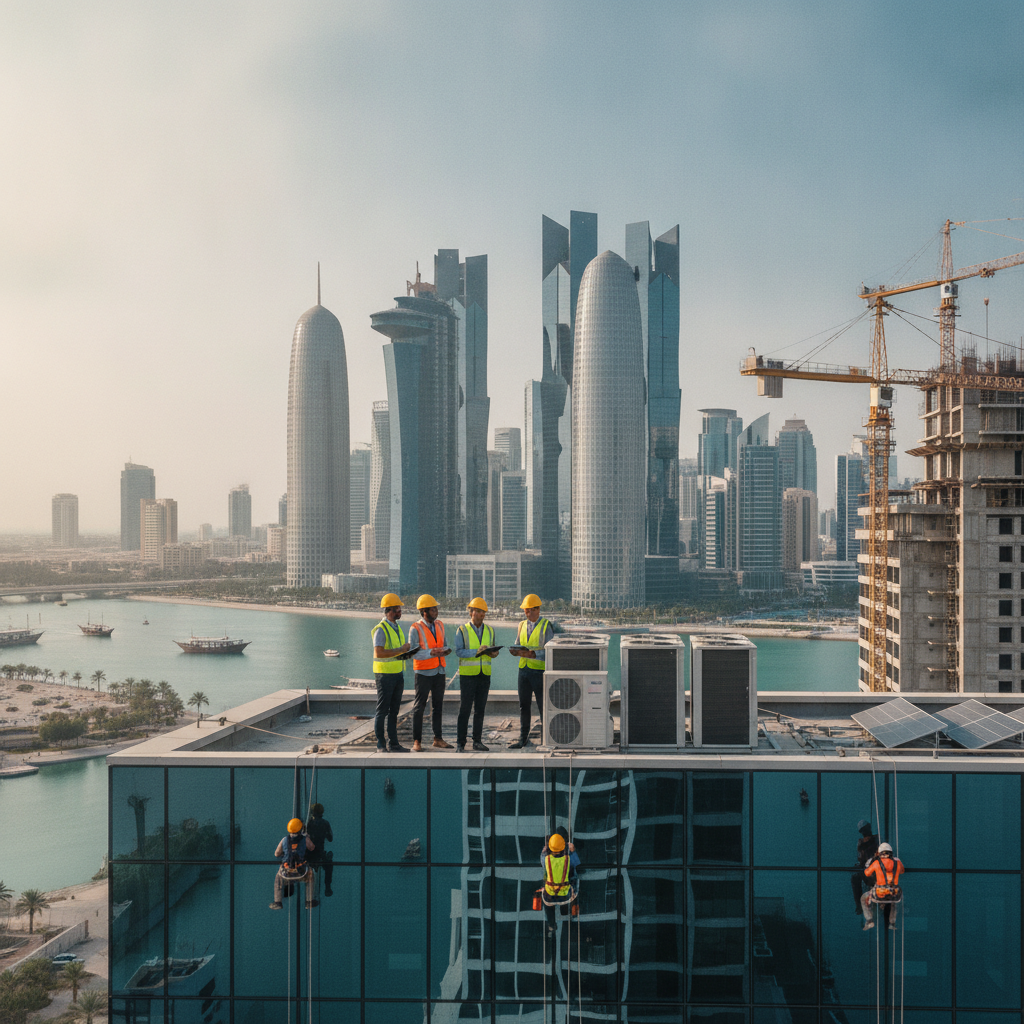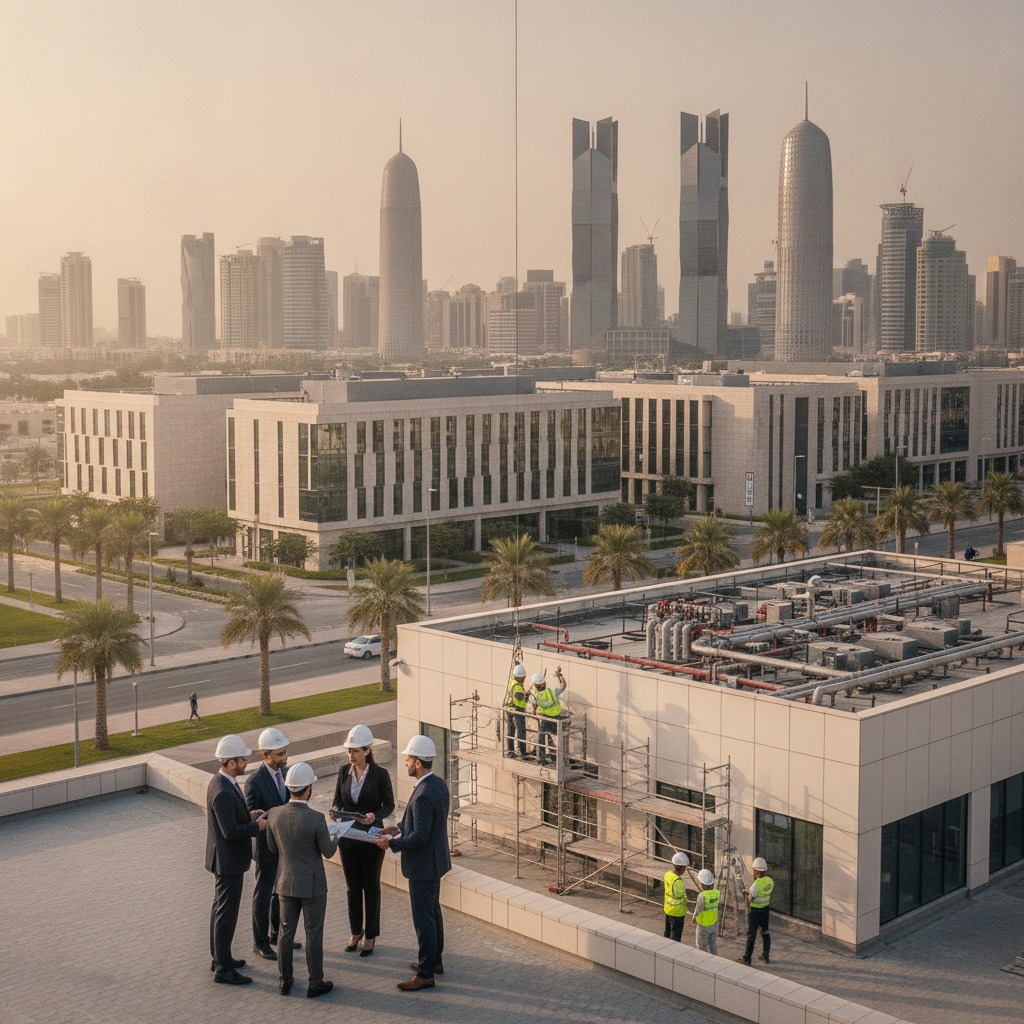
Qatar's climate is among the most demanding in the world for building infrastructure. With summer temperatures exceeding 45°C, extreme UV exposure, persistent dust and periods of high humidity, buildings in Qatar are subject to levels of stress that simply don't exist in most other countries. Understanding how these conditions affect your property — and building a maintenance schedule around them — is the difference between a well-protected asset and a building that deteriorates rapidly.
Why Qatar's Climate is Uniquely Challenging for Buildings
Most building maintenance guidance is written for temperate climates. Qatar's conditions present a different set of challenges entirely:
- Extreme heat:Sustained temperatures above 40°C for 4–5 months cause thermal expansion in structural materials, accelerate rubber seal degradation, and push HVAC systems to their absolute limits.
- Sandstorms (Shamals):Fine dust penetrates HVAC filters, coats solar panels, clogs drainage systems and works into electrical enclosures, causing premature failure across multiple systems simultaneously.
- Humidity cycling:Coastal humidity combined with aggressive air conditioning creates extreme condensation cycles that promote corrosion, mould growth and water infiltration.
- UV intensity:Qatar receives some of the world's highest solar radiation levels, degrading external paintwork, sealants, waterproofing membranes and roofing materials at an accelerated rate.
- Groundwater salinity:High salt content in Qatar's water and ground can corrode pipework and foundations over time if not monitored.
The Essential Quarterly Maintenance Schedule
Based on our experience across hundreds of properties in Qatar, we recommend the following minimum maintenance frequency for each major building system:
Every Month
- HVAC filter inspection and replacement (more frequent during shamal season)
- Visual inspection of all roof drainage outlets
- Generator test run and fuel level check
- Fire alarm panel test and log review
- Water pump pressure check
Every Quarter
- Full HVAC coil cleaning and system performance check
- Electrical distribution board thermal imaging scan
- Complete plumbing system pressure test
- Roof waterproofing membrane inspection
- External façade inspection for cracks and water ingress
- Water tank inspection and bacterial sampling
Every Six Months
- Full HVAC deep service including gas pressure check
- Comprehensive electrical installation condition report
- Water tank cleaning and disinfection
- External paintwork and sealant inspection
- Full fire suppression system test
Annually
- Complete building envelope survey
- Thermographic scan of all electrical switchgear
- HVAC system capacity and efficiency audit
- Structural crack monitoring survey
- Full lift/elevator service and QCDD certification
The Five Systems Most Vulnerable to Qatar's Climate
1. HVAC Systems
Air conditioning is not optional in Qatar — it's life-critical infrastructure. This means HVAC systems run continuously for 5–6 months of the year at maximum load. The failure points to watch:
- Refrigerant leaks caused by thermal expansion cycling
- Condenser coil fouling from dust accumulation
- Drainage pan corrosion from condensate
- Control board failure from heat-soak in plant rooms
2. Flat Roofing and Waterproofing
Qatar's flat roofs are a maintenance priority. UV degradation cracks bitumen and TPO membranes within 5–8 years without maintenance, and a single leak in a flat roof can cause disproportionate interior damage before it becomes visible. We recommend bi-annual professional inspection and thermal drone surveys on larger roofs annually.
3. External Paintwork and Sealants
Exterior finishes in Qatar typically need recoating every 4–6 years — significantly sooner than in temperate climates. More critically, silicone and polyurethane sealants around windows, expansion joints and wall penetrations harden and crack within 3–5 years under Qatar's UV and heat, creating water ingress pathways.
4. Electrical Systems
Heat accelerates electrical insulation degradation. In Qatar, cable insulation that would last 30 years in a European climate may show degradation within 15 years. Termination points and bus bars in distribution boards are particularly vulnerable to the combined effects of heat, vibration and load cycling that comes with heavy HVAC usage.
5. Plumbing and Drainage
The combination of hard water, high temperatures and occasional high-velocity rain events creates specific plumbing challenges. Scale build-up in hot water systems is significantly faster than in most countries, requiring more frequent descaling. Drainage systems can accumulate sand and dust debris faster than expected, particularly after shamal storms.